Tune Your Lab SOPs: Oxygen Detective v18.1 chain flows and Atola TaskForce 2025.11 ZFS/LDAP streamline acquisition
Forensic Focus’ December 3 round-up flagged two updates worth immediate lab attention: Oxygen Forensic Detective v18.1 and Atola TaskForce 2025.11. Both change how we plan Android collections and triage storage with fewer clicks and less context switching (round-up).
Overview
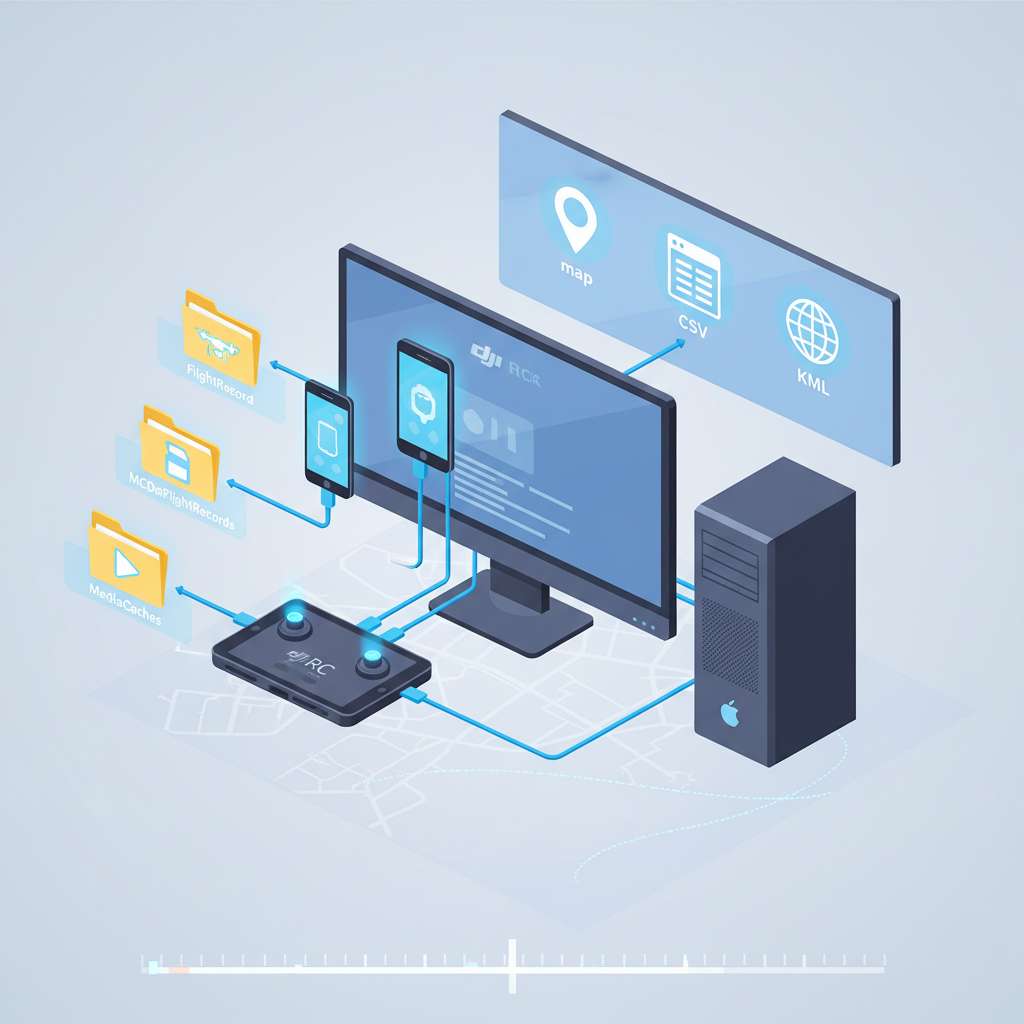
- Oxygen Forensic Detective v18.1 adds Android “chain extractions” so you can sequence multiple methods (e.g., Physical → Full File System → Android Agent → ADB Backup) in one flow with automatic fallback handling, plus new iOS Agent screenshot capture and desktop artifacts (v18.1 notes).
- Earlier in the v18 series, Oxygen introduced “multi-source extraction via Android Agent,” letting you combine multiple logical categories and third-party apps into a single Agent run for one consolidated output (v18 highlights).
- Atola TaskForce firmware 2025.11 brings system-wide ZFS support (diagnostics, imaging, partition browsing) and LDAP integration for centralized authentication; it also adds QOL items like pinned folders and report/network tweaks (Atola blog, Forensic Focus coverage).
Acquisition and Extraction (platform-specific)
Android with Oxygen Detective v18.1
- Plan a chained Android run
- In Device Extractor, set the chain order so time-heavier but richer methods run first, with automatic fallback to lighter ones (e.g., Physical → FFS → Android Agent → ADB Backup) (v18.1 notes).
- Document the chosen order in the case record before you start (keeps later variance explainable).
- Leverage Agent multi-source in the chain
- When the run reaches Android Agent, pre-select logical categories (calls, contacts, calendars, etc.) and multiple third-party apps to produce one combined extraction folder/file, minimizing repetitive passes over the handset (v18 highlights).
- Respect method prerequisites
- Full File System (FFS) extraction in current Detective builds supports many Android 9-14 devices with SPL prior to July 2024 via a general Android vuln; verify the device’s SPL before triggering FFS to avoid dead ends (FFS method notes).
- Android Agent is intended for unlocked devices and focuses on logical/manual collection; it does not access internal memory apps/files like FFS does-set expectations and use Agent where appropriate (Android Agent guide).
- Optional iOS screenshot capture
- If your scene includes iOS, v18.1 can record screenshots during extraction (iOS 12+) to quickly preserve on-screen context with proper logging (v18.1 notes).
Storage imaging with Atola TaskForce 2025.11
- Image ZFS cleanly
- TaskForce now recognizes and works end-to-end with ZFS: diagnostics (File systems stage), partition browsing, and imaging-useful for servers/NAS/Linux estates common in enterprise cases (Atola blog).
- RAID autodetection now attempts reassembly when ZFS partitions are present; this shortens triage when metadata is missing or the layout is unknown (Atola blog).
- Centralize user auth
- Enable the new LDAP option to authenticate users against AD/LDAP; TaskForce stores no passwords locally when LDAP is in use. Keep local accounts available as a contingency (Atola blog).
- Quality-of-life tweaks
- Pin frequently used network targets/folders in the UI to speed repetitive imaging destinations (Atola blog).
- Expect improved parallel imaging performance estimates and report loading-useful during busy lab days (Forensic Focus coverage).
Artifact Locations and Paths
- Android Agent exports typical logical sets-calls, messages, contacts, calendars, Wi-Fi APs, Bluetooth pairs, basic file structure, and select third-party apps-into one consolidated extraction when you use the multi-source option. Treat this as a targeted logical capture, not an internal-app dump (Android Agent guide, v18 highlights).
- On storage, ZFS volumes will enumerate in TaskForce’s File systems stage alongside NTFS, ext*, XFS, Btrfs, APFS/HFS+, FAT, and ZFS; validate the enumerated topology before committing to a full image or a logical carve (Atola blog).
Analysis and Correlation
- Merge sources in Oxygen: after collection, merge FFS, physical, cloud, SIM, and OxyAgent/Android-Agent extractions into a single dataset to keep timelines/social graphs coherent (merge feature).
- Automate post-processing: Oxygen’s CLI can batch-import extractions, analyze images, and export reports-helpful for overnight queues after long scene days (CLI automation).
- For ZFS/RAID jobs, snapshot your Atola case state and export reports immediately after autodetection; re-attempts can change arrays as members drop in/out. Atola’s 2025.11 improves report handling and error logs for share connections, which helps with later reproduction (Atola blog).
Validation and Pitfalls
- Don’t over-promise Agent scope: Android Agent logical/manual extraction won’t touch internal app data; if you need app sandboxes or keychains, prioritize FFS/physical where legally and technically possible (Android Agent guide).
- Check SPL early: if SPL ≥ July 2024, your FFS path may be blocked-adjust the chain to avoid wasting time (e.g., pivot sooner to Agent or ADB backup) (FFS method notes).
- LDAP is great-test lockout behavior: validate how TaskForce handles directory outages, password expiry, and group changes before you flip the switch lab-wide (Atola blog).
- As always, keep the paperwork tight. Evidence management talks regularly remind us that documentation is what makes the data admissible-“no documentation, no evidence” still applies (round-up reference to talk).
Reporting Notes (chain of custody, reproducibility)
- Oxygen: record the exact chain order, method outcomes, version/build, and any Agent multi-source selections in the notes; v18.1 also tweaks evidence tagging/notes, which can clarify your audit trail (v18.1 notes).
- Atola: export diagnostics and imaging reports immediately after ZFS enumeration/reassembly; the 2025.11 update improved report loading and logging, making it easier to reconcile target paths and share errors later (Atola blog).
Tools
- Oxygen Forensic Detective v18.1: chain extractions, iOS Agent screenshots, additional artifacts (v18.1 notes). Multi-source Android Agent from v18 still applies for consolidated logicals (v18 highlights). Core method references: FFS coverage window (FFS method notes), Android Agent scope (Android Agent guide).
- Atola TaskForce/TaskForce 2 2025.11: ZFS, LDAP, pinned folders, and assorted fixes/perf gains (Atola blog, Forensic Focus coverage). Hardware/platform overview and automation options are on the product page if you’re integrating at scale (TaskForce 2 page).
Takeaways
- Update your SOPs this week to: (1) use Oxygen’s chained Android flows with Agent multi-source to cut repeats, and (2) enable Atola ZFS handling + LDAP in the lab for smoother storage triage and access control. Test on known-good devices/images before first live use (v18.1 notes, Atola blog).